Post by
A request to “grade the property” can mean several different things. You might need the larger earthmoving stage before construction, or a final surface prepared for seed and straw. Understanding rough grading vs finish grading helps you ask for the right work and compare proposals that describe the same result.
Planning earthwork or yard restoration? Explore our rough and finish grading services and local project information for grading and sitework in Chesterfield and grading and sitework in Colonial Heights.
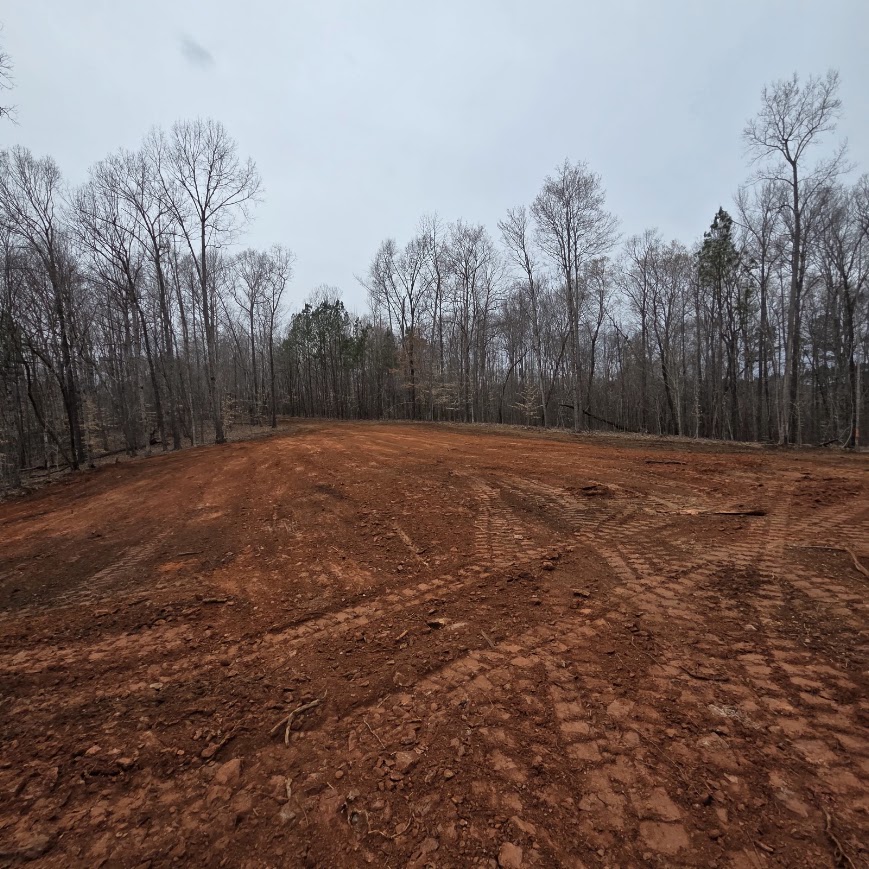
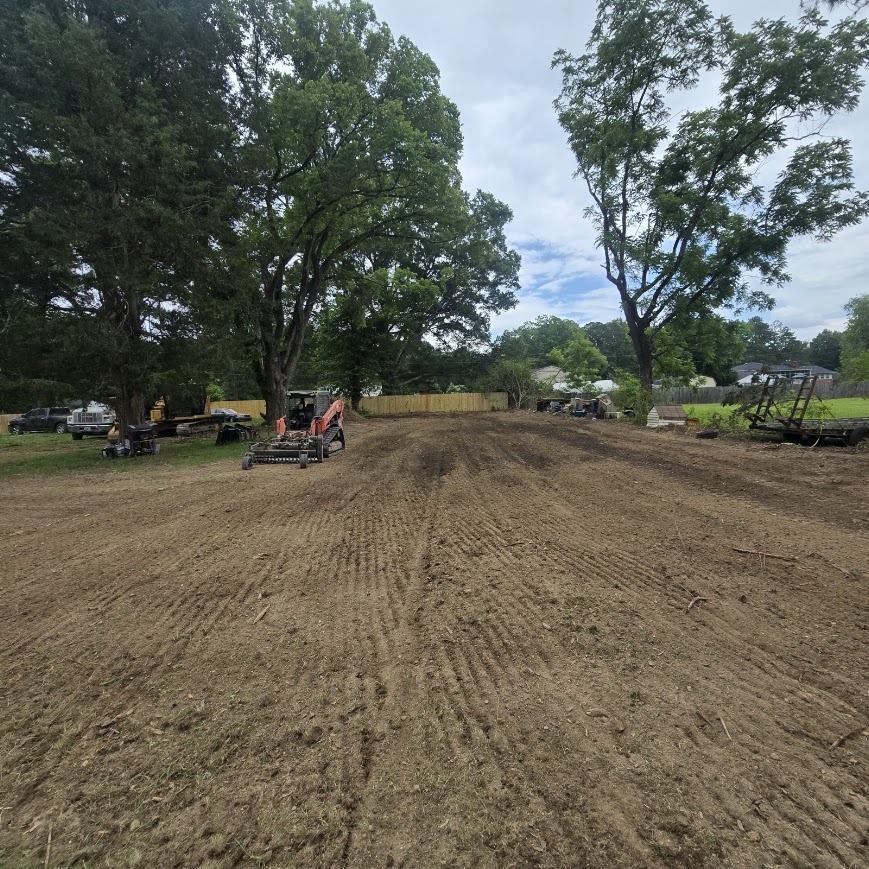
Start with the next use of the ground. A building area awaiting another contractor, a driveway awaiting aggregate and a yard awaiting seeding each need a clearly described handoff.
Rough grading establishes the broader shape
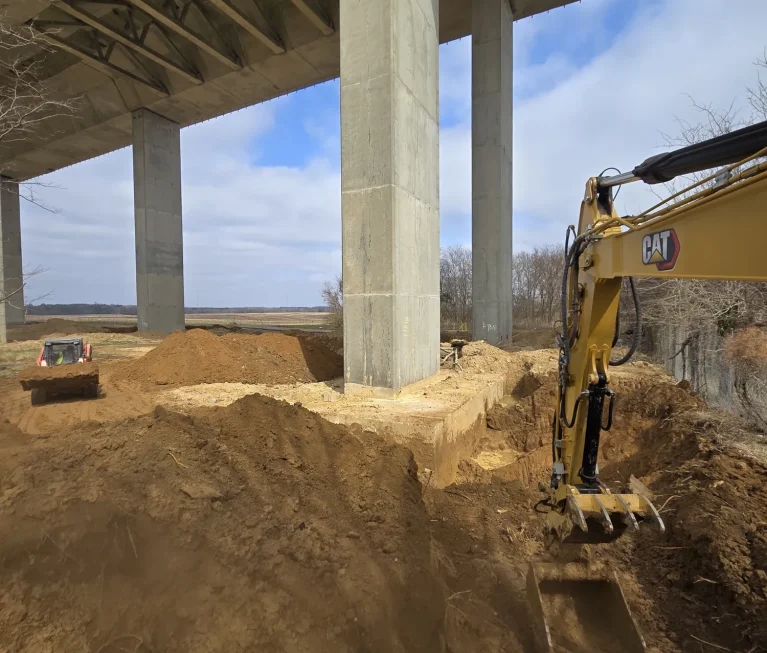
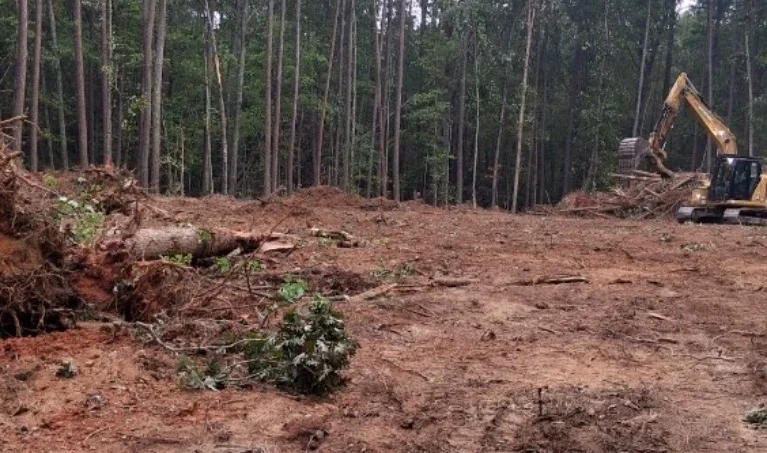
Rough grading generally involves the larger cuts, fills and shaping needed to bring an area toward its planned elevations. Depending on the project, that can include moving soil within the work area, preparing access or shaping a building area.
A surface left after rough grading may still need additional work. For example, a builder may need earthwork completed before utility work, followed by another visit for final surface preparation. The proposal should identify that sequence and whether later visits are included.
Finish grading prepares for the specified surface
Finish grading refines the ground for its next treatment or use. That might mean preparing an area for topsoil and seeding, or completing the final shaping around a construction project.
The phrase does not automatically include new topsoil, seed, straw or aggregate. Ask what material and surface condition will remain when the grading work ends.
Review the water route before changing elevations
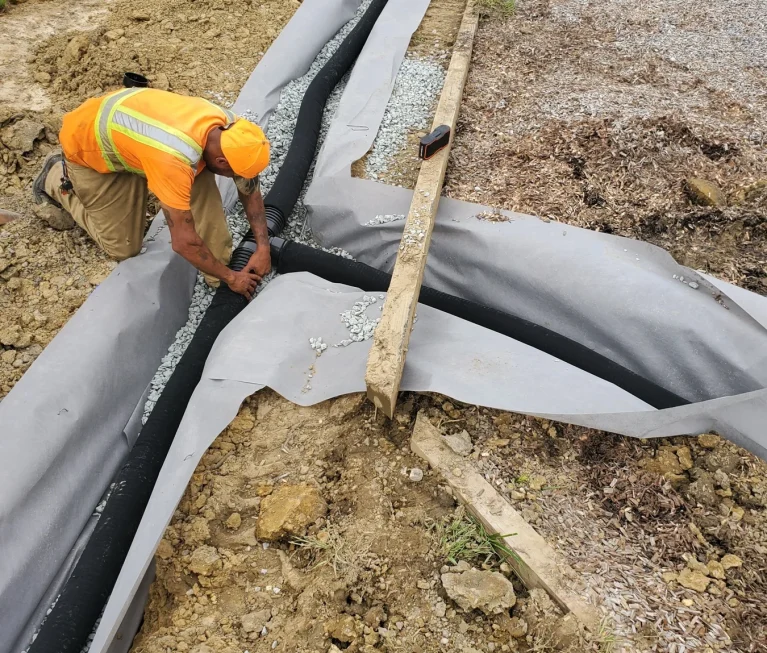
A drainage review belongs alongside grading. Discuss where water enters the property and the proposed outlet before changing elevations. A flatter appearance alone does not explain where runoff will go.
If standing water is the main concern, our yard drainage guide covers the repair options. Share rain photos and existing drainage information so the drainage scope can be reviewed with the grading.
Access, soil handling and timing affect the scope
Equipment needs a workable route into the site, and trucks need room to unload or collect material. Show gates, overhead obstructions, retained trees and surfaces that need protection. Wet ground can change whether equipment can work without damaging the access route or surrounding property.
Also identify where soil may be stockpiled. Reusing suitable material onsite, bringing material in and hauling surplus away are different tasks. Ask how material suitability will be determined and whether loading, trucking and disposal are included. Do not assume that every excavated pile can be reused.
Define testing and restoration separately
Where the project calls for compacted fill, ask which requirements apply, who specifies them and who arranges any testing. Do not assume the same compaction or testing requirement applies to every yard and building area.
After earthwork, identify whether the finish includes topsoil, seed and straw or hydroseeding. Application and established vegetation are different milestones; watering, follow-up care and any return visits need defined responsibilities.
Planning should also identify applicable erosion-control and permitting responsibilities. Virginia DEQ explains that local land-disturbance permits and construction stormwater permitting can be separate requirements. Confirm the approvals that apply to the property with the appropriate local authority.
What to include with a grading request
- The property address and a marked work boundary.
- The intended next use and requested finished condition.
- Available plans, elevations and drainage observations.
- Access restrictions, stockpile locations and material to keep or remove.
- The next contractor’s needs and any known testing requirements.
For commercial work with plans, our commercial sitework bid checklist helps organize the project documents.
D&G Multi Services LLC reviews grading projects across Central and Southern Virginia from our South Chesterfield / Colonial Heights base, within a primary 50-mile road service area. Call 804-799-8761 or request a project quote with the condition you need the property left in.