 Post by
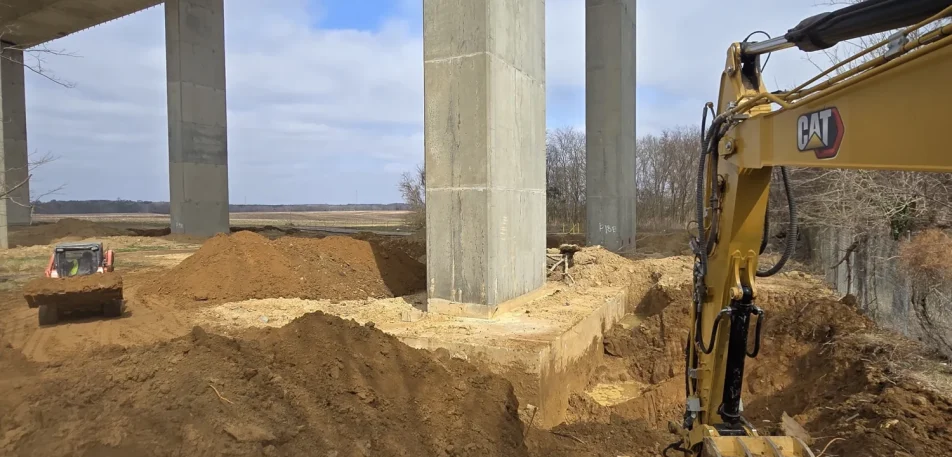
Excavation beneath highway bridge spans. Work in progress.
A useful commercial sitework quote starts with a clear description of the finished result. For a project in Richmond or Central Virginia, send the same complete information to each contractor. This makes prices easier to compare and reduces scope gaps between trades.
Before requesting bids, prepare a package that explains where the work starts, where it stops, and what conditions the contractor should price. The checklist below helps owners, builders, and property managers turn a broad request to “prepare the site” into a clear scope.
Start with the current plans and the intended use
Provide the project address, current civil drawings, specifications, available survey information, and all relevant addenda. Identify whether the work supports a building pad, parking area, access road, drainage improvement, or another use.
If your project still needs final plans, say so. Ask the contractor to identify assumptions and missing information instead of presenting a preliminary allowance as a final construction price. A marked sketch can help start a conversation, but it should not silently replace the elevations, details, and design information needed for construction.
Define the physical limits
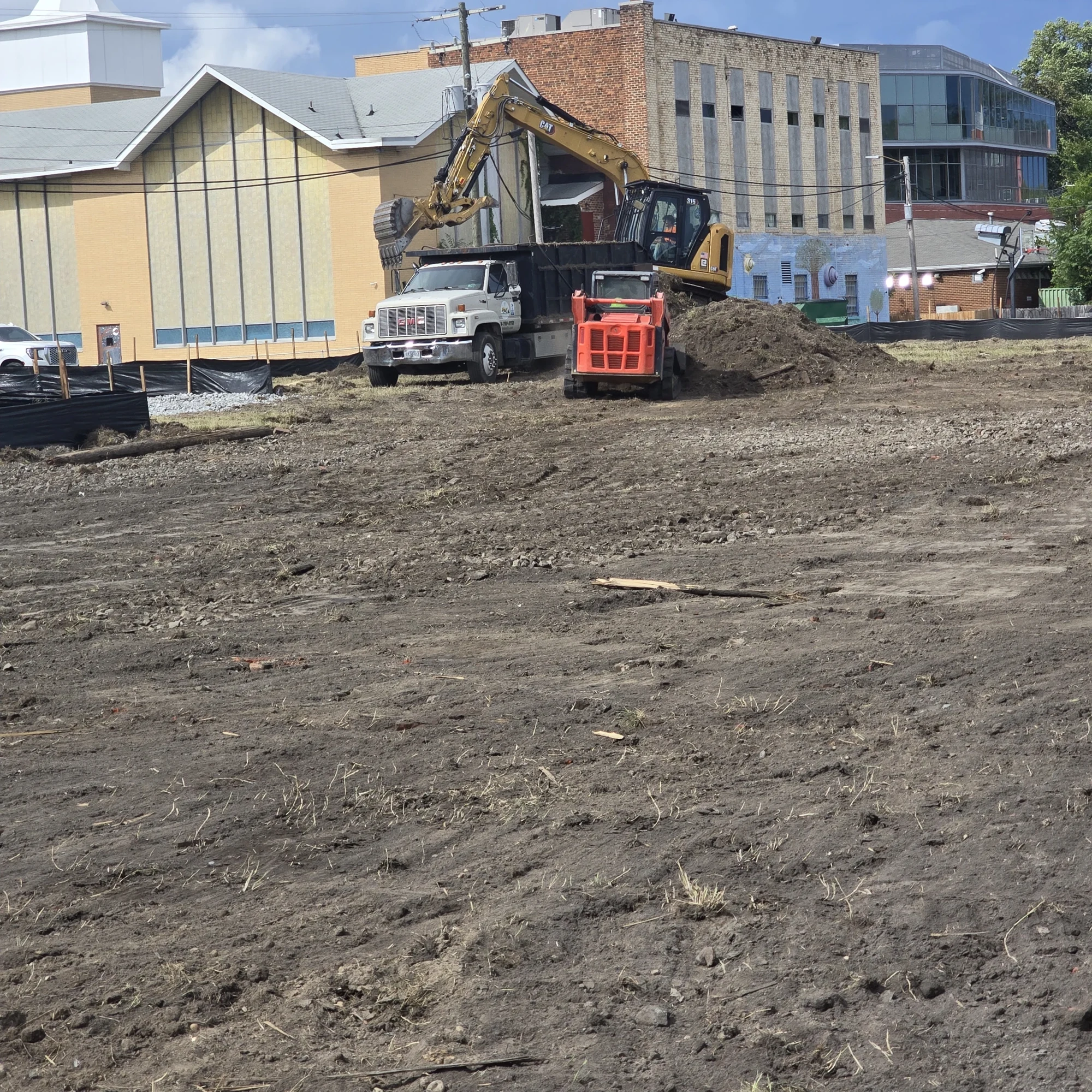
Next, mark the clearing, excavation, grading, and restoration areas. Identify trees, pavement, fences, structures, and landscaped areas that must remain. Explain access restrictions, available staging space, occupied areas, and any limits on truck movement or working hours.
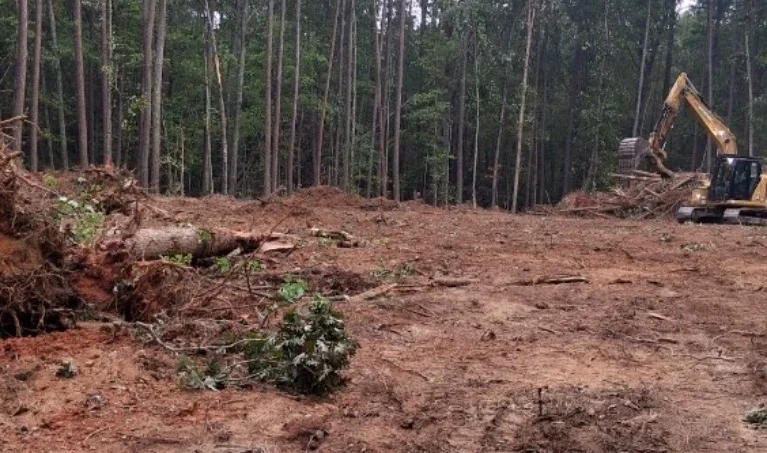
For clearing, specify whether the price includes stumps and root material, processing, loading, hauling, and disposal. For demolition, identify the exact removals and the required condition after removal. Do not assume those items are covered by a general clearing line.
Explain the earthwork and hauling assumptions
Ask each proposal to state what it includes for excavation, fill placement, import, export, and disposal. Request the basis for quantities and a clear distinction between measured quantities and allowances.
Useful questions include:
- Can the contractor reuse suitable excavated material on the property?
- Where may the contractor stockpile material, and who approves that location?
- Who supplies imported material and confirms its suitability?
- Does export include loading, trucking, disposal charges, and the destination?
- How will the contractor document and price unexpected unsuitable soil, buried debris, or rock?
These are scope questions, not reasons to assume a problem exists. Getting the answers in writing creates a fair basis for comparing bids.
Assign testing, controls, and restoration
Identify who supplies construction layout and elevation control. State the applicable compaction and testing requirements. Also identify who arranges the testing and who accepts the work.
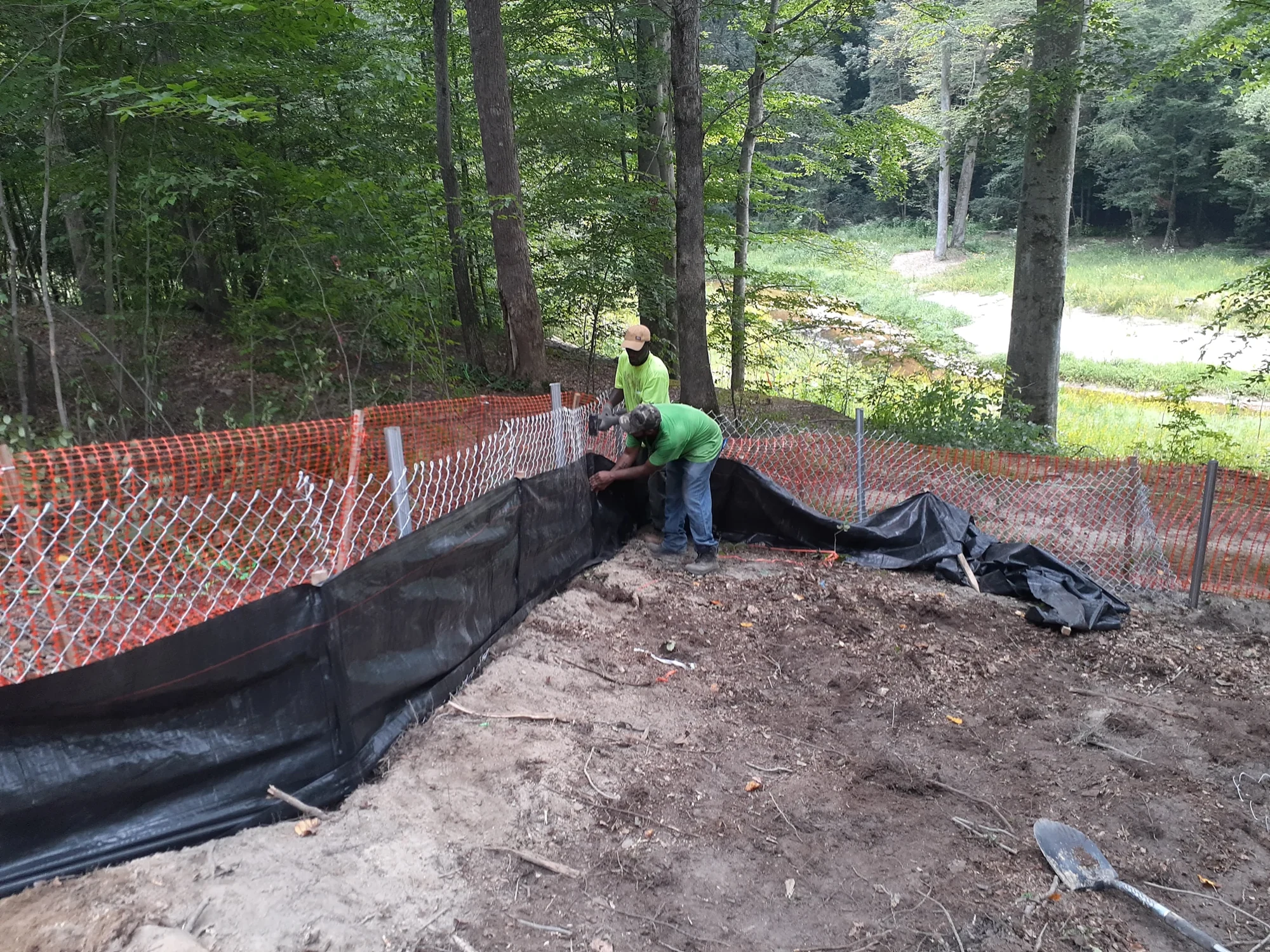
Also assign erosion and sediment controls, maintenance during construction, temporary stabilization, and final restoration. Clarify whether topsoil, seed and straw, erosion-control blanket, sod, or other specified finishes are included. A proposal should describe the handoff condition for the next trade.
VDOT treats clearing and grubbing and earthwork as distinct construction sections. Its specifications are useful technical background, but the requirements that apply to a particular project come from that project’s documents and approvals.
Compare the scope before comparing the total
Use a simple comparison sheet listing included work, exclusions, allowances, unit prices for agreed changes, schedule assumptions, and payment terms. Resolve material differences before choosing a contractor. A lower total is only meaningful when you understand what that price buys.
For a commercial project, send your plans, address, and scope questions to D & G Multi Services to request a sitework quote. You can also review our site preparation services while preparing your bid package.
Technical background
VDOT Road and Bridge Specifications, Sections 301 and 303. These highway specifications are background references, not blanket requirements for every commercial property.