
D & G Multi Services LLC
Excavation, Grading & Land Clearing in Lawrenceville, VA
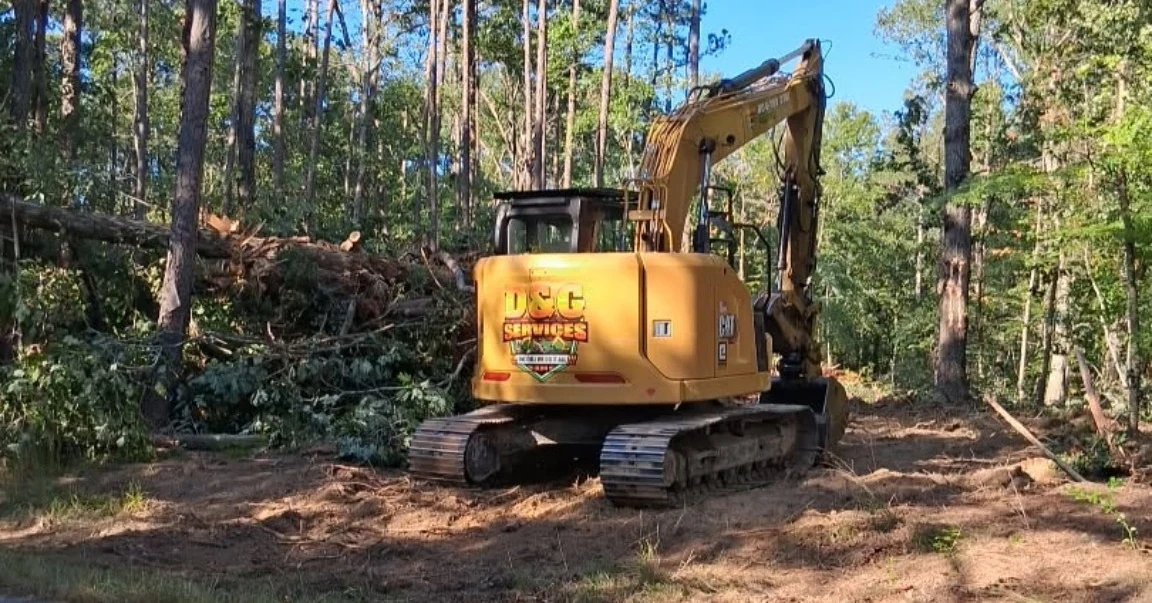
D & G Multi Services LLC reviews Lawrenceville excavation, grading, demolition, hauling, land clearing and drainage requests by property address and scope. Coordinating removal, earthwork and restoration helps identify the equipment, material movement and final condition needed, whether you are preparing ground for a new use or removing an existing structure.
Land clearing, excavation and site preparation in sequence
Land clearing, excavation, hauling and grading can be reviewed as one sequence when they are part of the same project. For site preparation, mark the clearing footprint, trees to retain, stump-removal limits and condition needed for construction. Identify the project coordination handoffs you want coordinated rather than assuming the request includes every other contractor’s work.
Hauling, material delivery and disposal responsibilities
Tell us what needs to be moved: demolition debris, clearing debris, excavated soil or material required for the work. Include any known quantities, disposal requirements and proposed delivery or removal locations. If those details are unknown, say so. Truck access, loading space and the relationship between hauling and equipment work need review before a proposal can describe the job accurately.
Grading, driveways, culverts and drainage
Rough and finish grading should have a defined purpose. Explain whether you need ground prepared for construction, driveway installation, a culvert improvement or drainage installation. Provide available plans and photographs of the surrounding ground, where water collects and the intended discharge area. If stormwater construction is requested, identify the feature and applicable construction plans; design and ongoing maintenance need separate responsibilities. Include erosion control and temporary stabilization where they form part of the work.
Demolition limits, backfill and the next use of the ground
For demolition, identify the structure or feature, its approximate dimensions and nearby property features. Clarify whether foundations, buried items, debris removal, backfill and finish grading are included. Share known utility information and any available plans or inspection records. The proposal should define the removal limits, responsibilities and unresolved conditions before work is scheduled rather than assuming that every related task is included.
Conventional and alternative septic, water and sewer work
If the project includes conventional or alternative septic installation or water and sewer work, send the relevant plans and describe the requested installation or connection work. Identify design, approvals, utilities, inspections and work by others. These details help establish how excavation, access, material handling and restoration relate to installation, and which responsibilities need confirmation before scheduling.
Site restoration after removal and installation
Identify the finish after material has moved and equipment work is complete. Topsoil and seed with straw cover, hydroseeding or sod installation can be reviewed as separate restoration tasks. Mark the receiving area and define soil preparation, application, watering and follow-up care so a loading or excavation proposal is not mistaken for a completed grass-restoration scope.
Decide what the hauling request includes
Transport is only one part of moving material. A request may be for a truck to carry material that someone else loads, for supplied material to be delivered, or for loading, hauling and disposal together. Explain which result you need so the proposed scope can assign each part of the movement.
For material leaving the property, identify its source, known condition and proposed receiving location. For material arriving, state its intended use and any specification already provided for the project. Delivery to a stockpile, spreading material across an area and preparing the finished surface are different tasks; list the ones you want reviewed.
Why a load count needs a stated basis
“Several loads” does not establish a measured quantity or complete transport scope. If you have a quantity, identify the unit and where it came from, such as a plan, supplier record or field measurement. If you only have an approximate load count, say that it is approximate. The material, equipment, loading conditions and destination still need review.
Keep loading and receiving arrangements with that quantity information. Include available work windows, who provides loading equipment, unloading instructions and any ticket or disposal records requested. Unknown details can be identified for review before a proposal is finalized; they do not need to be replaced with assumed quantities.
Questions about your Lawrenceville project
What should I send for a Lawrenceville project?
Provide the exact address, scope, timing and access information. Project acceptance and mobilization are reviewed by location and work requirements. Include your preferred timing so the travel and work sequence can be reviewed with the scope.
What information is needed to include hauling?
Identify the material, available quantities, loading and unloading responsibilities, origins and proposed destinations. Include known disposal requirements. If a quantity or destination is unresolved, flag it so the estimate can state its basis.
Can removal and restoration be considered as one project?
Yes. Clearing or demolition, hauling, excavation, grading and restoration can be reviewed in sequence. Define the removal boundaries and final use so the work requested for each stage is clear.
Request an itemized proposal for your Lawrenceville project
For a Lawrenceville request, describe the removal or earthwork, material that needs to move and the condition you want when the work is complete. Include the exact property address. Photos, plans and measurements are optional for an initial residential request. Call (804) 799-8761 or request an itemized proposal. For commercial bids, include the current plans and bid deadline when available.
For Alberta or other Brunswick County project requests, see our Brunswick County and Alberta service-area page.